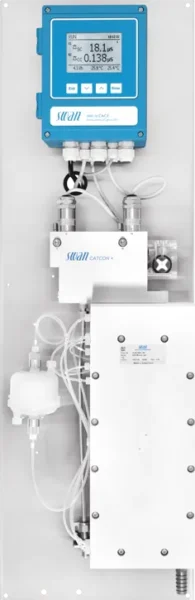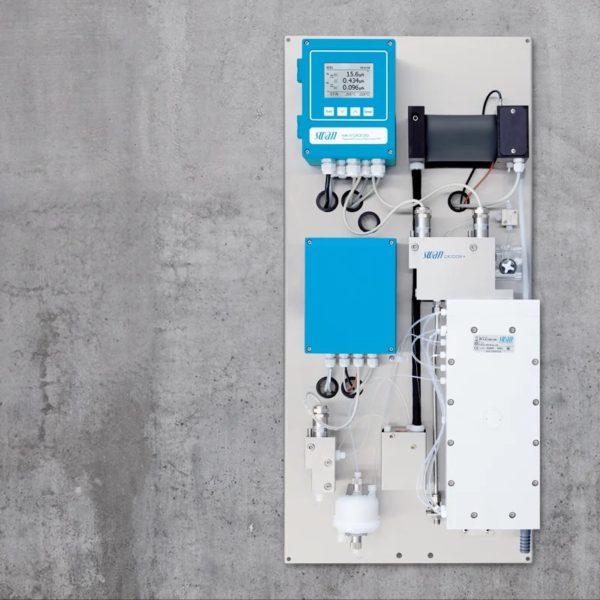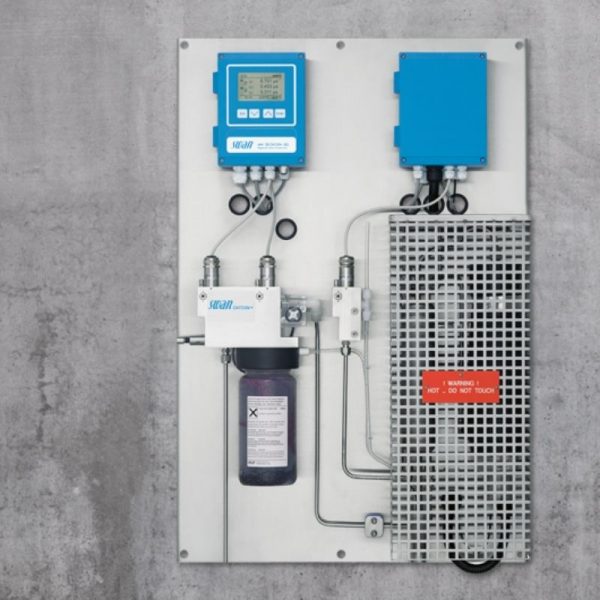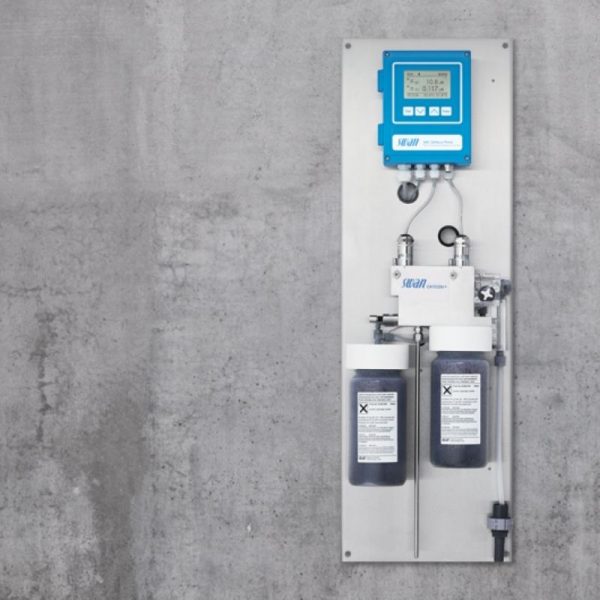
What is Conductivity after Cation Exchange?
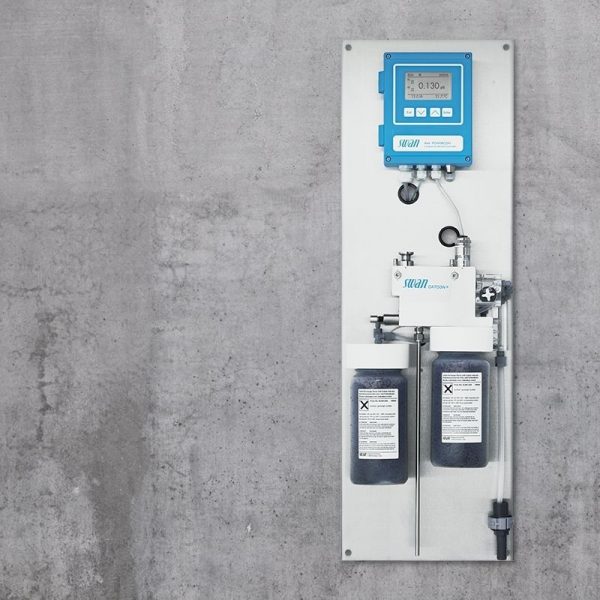
Conductivity after cation exchange (abbreviated as CACE), also known as cation conductivity or acid conductivity, is a measure of the electrolytic conductivity of a liquid that has passed through a column filled with cation exchange resin. This process removes positively charged ions (cations) from the liquid and replaces them with hydrogen ions (H+). The resulting measurement reflects the presence of anions, such as chloride and sulphate, which are not removed by the cation exchange process. Cation conductivity is a critical parameter in utility plants and industrial processes because it provides a highly sensitive indication of the purity of water, particularly in detecting low levels of ionic contamination. It is especially important in high-purity water systems, such as those used in power generation, where maintaining low levels of dissolved solids is essential to prevent corrosion and scaling in boilers and turbines.
CACE Analysers in Power and Steam Water Systems
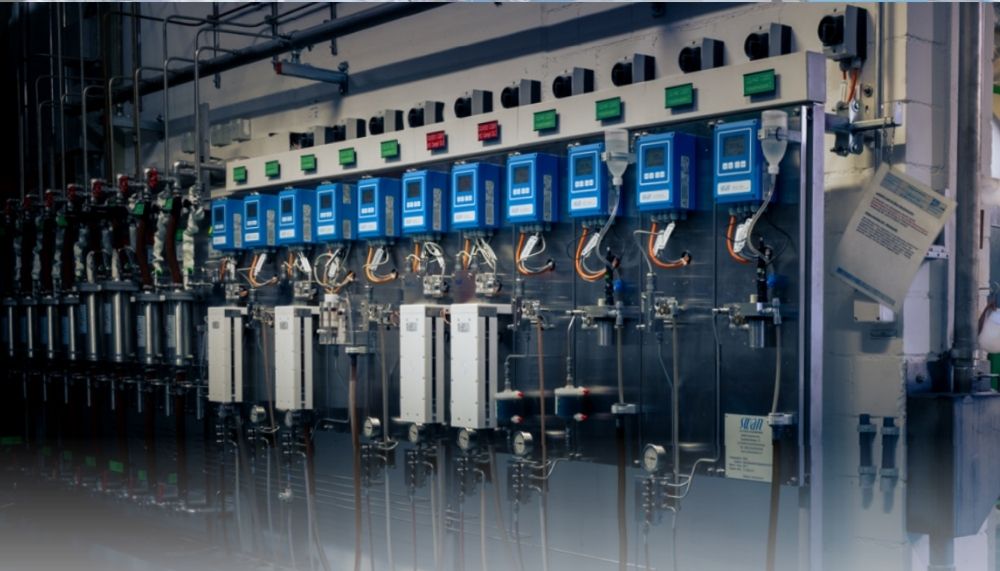
In power generation and steam water cycles, cation conductivity is one of the most critical water chemistry parameters. A CACE analyser measures conductivity after the water sample passes through a cation exchange resin column.
During this process, positively charged ions (cations) such as sodium are replaced with hydrogen ions (H⁺). This conversion makes acidic contaminants more visible in the measurement. The resulting conductivity reading primarily reflects corrosive anions such as chlorides and sulphates.
In power plants, even small increases in these anions can indicate condenser leaks, contamination ingress or chemical imbalance. If left undetected, these impurities can lead to:
- Boiler corrosion
- Turbine damage
- Scaling and deposits
- Reduced thermal efficiency
- Unplanned outages
Because it isolates and highlights harmful ionic contamination, cation conductivity is a far more sensitive indicator of water purity than standard conductivity measurement.
CACE Analyser FAQs

What is a CACE analyser?
A CACE analyser is an instrument used to measure Conductivity After Cation Exchange. It determines the conductivity of a water sample after it has passed through a cation exchange resin column.
In power plants and steam water systems, CACE measurement highlights corrosive anions such as chlorides and sulphates. Because neutral salts are converted during the exchange process, CACE provides a more sensitive indication of contamination than standard conductivity measurement.
CACE analysers are widely used in boiler feedwater and condensate monitoring applications.
What does CACE stand for?
CACE stands for Conductivity After Cation Exchange.
It refers to the measurement of electrical conductivity after dissolved cations in the water sample have been replaced with hydrogen ions via a cation exchange resin. This process enhances the detection of acidic impurities in high-purity water systems.
Why is CACE monitoring essential in power plants?
CACE monitoring is essential in power plants because it provides early detection of ionic contamination in boiler feedwater, condensate and steam systems.
Continuous online monitoring with a CACE analyser ensures:
-
Early detection of chloride and sulphate ingress
-
Improved protection of boilers and steam turbines
-
Compliance with power industry water chemistry guidelines
-
Greater operational reliability and asset longevity
Even small increases in conductivity after cation exchange can indicate condenser leaks or chemical imbalance. Early detection prevents corrosion, scaling and unplanned outages.
A Swan CACE analyser provides reliable online monitoring within steam and water analysis systems (SWAS), giving operators immediate visibility of contamination risks.
What is the difference between conductivity and conductivity after cation exchange?
A standard conductivity analyser measures the total ionic conductivity of a water sample, including all dissolved salts.
A CACE analyser measures conductivity after the sample passes through a cation exchange resin column. During this process, dissolved cations such as sodium are replaced with hydrogen ions. This converts salts into their corresponding acidic form, making corrosive anions such as chlorides and sulphates more detectable.
In high-purity boiler and steam systems, conductivity after cation exchange provides a more sensitive indication of contamination than standard conductivity alone. It allows earlier detection of condenser leaks and ionic ingress that could lead to corrosion.
CACE Analysers (Conductivity after Cation Exchange)